Who brings commercial files to an appraiser
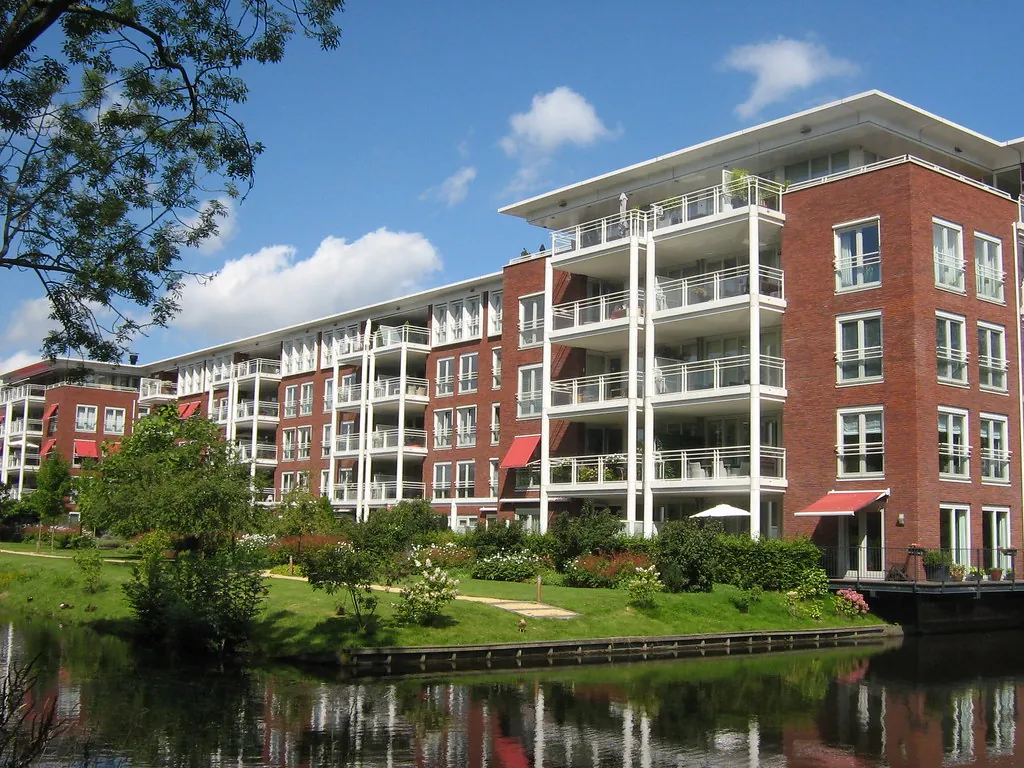
Commercial and community-association claims tend to arrive after months of back-and-forth. A typical file might be a garden-style condo complex in Anne Arundel County with wind damage across a dozen buildings, a strip center in Frederick with hail-dented rooftop units, a mixed-use building in Hagerstown with a fire on the ground floor, or a high-rise in Ocean City with water damage that moved down through several floors. What they share is scale: dozens of line items, multiple trades and a carrier estimate that may have been written from a sample of the damage rather than the whole property.
Board decisions and the appraisal demand
For condo associations and HOAs, demanding appraisal is a governance step as well as a claims step. Boards usually want to know the size of the gap, the expected cost of the process and how long it could take before they vote. We prepare a plain-language summary for the board and the management company, and we work through the property manager so owners get consistent information.
Issues that come up on larger Maryland properties
- Per-building versus per-occurrence deductibles. On multi-building complexes, how the deductible is applied can swing the net figure considerably.
- Low-slope roof systems. TPO, EPDM, modified bitumen and built-up roofs on commercial buildings raise questions about whether a section can be repaired or the system has to be replaced to keep a manufacturer’s warranty.
- Ordinance or law coverage. Older buildings in Annapolis, Frederick and downtown Baltimore often need code-driven upgrades that are covered only under specific policy provisions and limits.
- Coinsurance. If the insured value is below the policy’s required percentage, the payment can be reduced, so building values matter.
- Business income and extra expense. When covered, the period of restoration is a valuation question that ties directly to a realistic rebuild schedule.
- Common elements versus units. In high-rises in Silver Spring, Rockville and Harbor East, risers, corridors and amenity spaces are priced differently from unit interiors.
How we organize a large file
A commercial appraisal lives or dies on organization. We break the property into buildings, elevations and areas so each piece of the estimate can be checked on its own. That makes the appraiser exchange more efficient and gives the umpire a structure for deciding items one at a time rather than facing a single disputed total.
- Inventory of buildings, roof sections and affected interiors.
- Sampling plan agreed in writing where every unit can’t be opened.
- Estimate by building and trade, with pricing sources noted.
- Summary for the board or ownership showing the gap by category.
Maryland Insurance Appraiser handles commercial and association work anywhere in the state, including Ocean City condominiums exposed to Atlantic storms and Rockville office and residential towers. Where both appraisers on a file want an impartial third person, our neutral umpire services are a separate engagement.
Working alongside your other advisors
Associations and businesses often have counsel, a reserve-study engineer or a property manager already involved. We stay within the valuation role and coordinate with them rather than duplicating their work. Questions about coverage, contract obligations to owners or tenants, and any bad-faith concern belong with a Maryland attorney.
Questions about commercial & hoa appraisal
Does an HOA board need a vote to demand appraisal?
That depends on the association’s governing documents and the board’s authority. Many boards vote formally so the decision is on record; ask the association’s attorney if the documents are unclear.
Can business income losses go to appraisal in Maryland?
When the insurer accepts that business income coverage applies and the dispute is about the amount or the restoration period, many policies allow that figure to be appraised. Policy wording varies, so it needs to be checked first.
How do you handle a complex with many similar buildings?
We inventory every building, agree on a sampling approach where full inspection isn’t practical, and price each building separately so the panel can resolve items building by building.